Group Exhibition
Hong Kong Reframed: Fan Ho and the Salon Generation
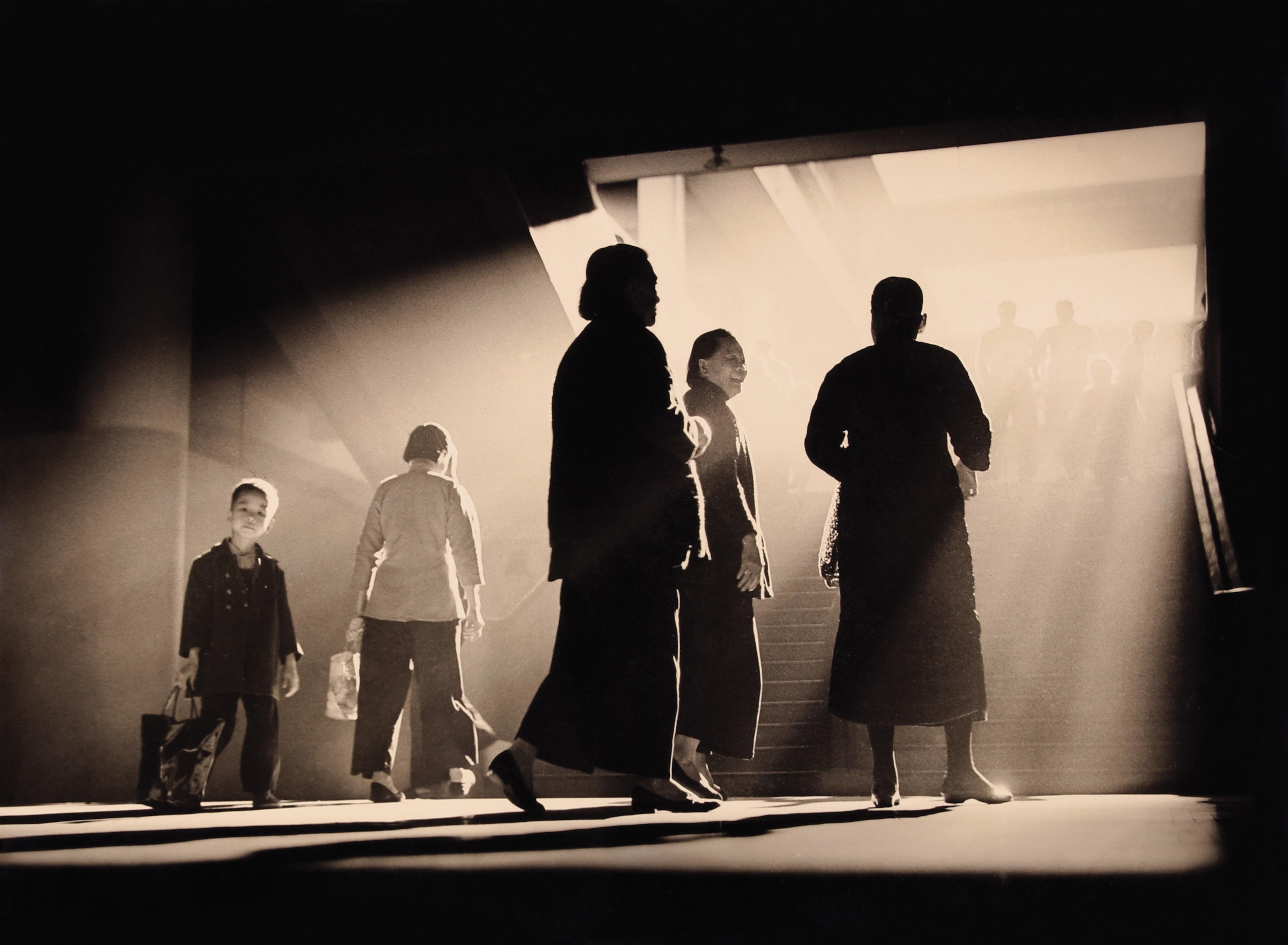
Featuring 15 photographers including Fan Ho, Tchan Fou-li and Nancy Sheung, the exhibition revisits Hong Kong’s Salon photography scene of the 1950s and 1960s.
ABOUT THE EXHIBITION
Hong Kong Reframed: Fan Ho and the Salon Generation — Photography at the Threshold of Modernity brings together 72 original photographic works, 26 reprints and 47 historical publications by 15 photographers, including Fan Ho, Tchan Fou-li and Nancy Sheung, offering a closer look at the formative period of Hong Kong Salon photography in the 1950s and 1960s.
As an important chapter in postwar Chinese visual culture, the exhibition revisits the historical conditions in which Hong Kong’s Salon photography developed, looking across photographic practice, urban space, Eastern aesthetics, and the networks of publishing and circulation that sustained the scene. For this generation of photographers, the camera was both a means of engaging with an international visual culture and a way of recording a changing city, observing everyday life, and exploring questions of cultural identity. Their photographs present Hong Kong as a city moving rapidly towards modernity, while capturing a distinctive moment in the history of photography.
From “Salon Kingdom” to a Photography Network: Postwar Hong Kong
Salon photography emerged in Europe in the late 19th century. Characterised by soft focus, blurred edges and an often painterly quality, it sought to establish photography as a form of artistic expression rather than simply a means of recording reality. After the Second World War, Hong Kong’s status as a free port made photographic equipment and film increasingly accessible. At the same time, publishers, intellectuals, artists and photography enthusiasts from mainland China and Southeast Asia gathered in the city, contributing to a growing cultural and creative scene.
As photography societies and publishing platforms emerged, Hong Kong quickly developed a network connecting photographic production, exhibition and circulation. In 1950, Chinese Photographic Art, the first photography periodical established in Hong Kong after the war, was launched. In 1958, Tchan Fou-li was involved in founding the Chinese Photographic Society of Hong Kong. Photographers and publishers including Lee Ching, Mak Fung and Tchan Fou-li also established influential photography publications, including Camera Club, Photography Art and Photo Pictorial. Together with newspaper competitions and Salon organisations, these publications helped create an active photographic culture in the city.
Photographers in Hong Kong regularly entered international Salon competitions in Britain, the United States, Brazil, Mexico and elsewhere. Through competitions, exhibitions and publications, their work reached audiences well beyond the city, contributing to Hong Kong’s reputation within international photography circles as the “Salon Kingdom.” Salon photography was no longer simply a pastime; it had become a cultural network connecting local experience with a wider international perspective.
Fan Ho and the Salon Generation: Photographing a Changing City
Within this network, Fan Ho, Tchan Fou-li and Nancy Sheung represent three distinctive approaches to photography in Hong Kong. Each participated in the international Salon system while developing different ways of looking at the relationship between the city, its spaces and its people.
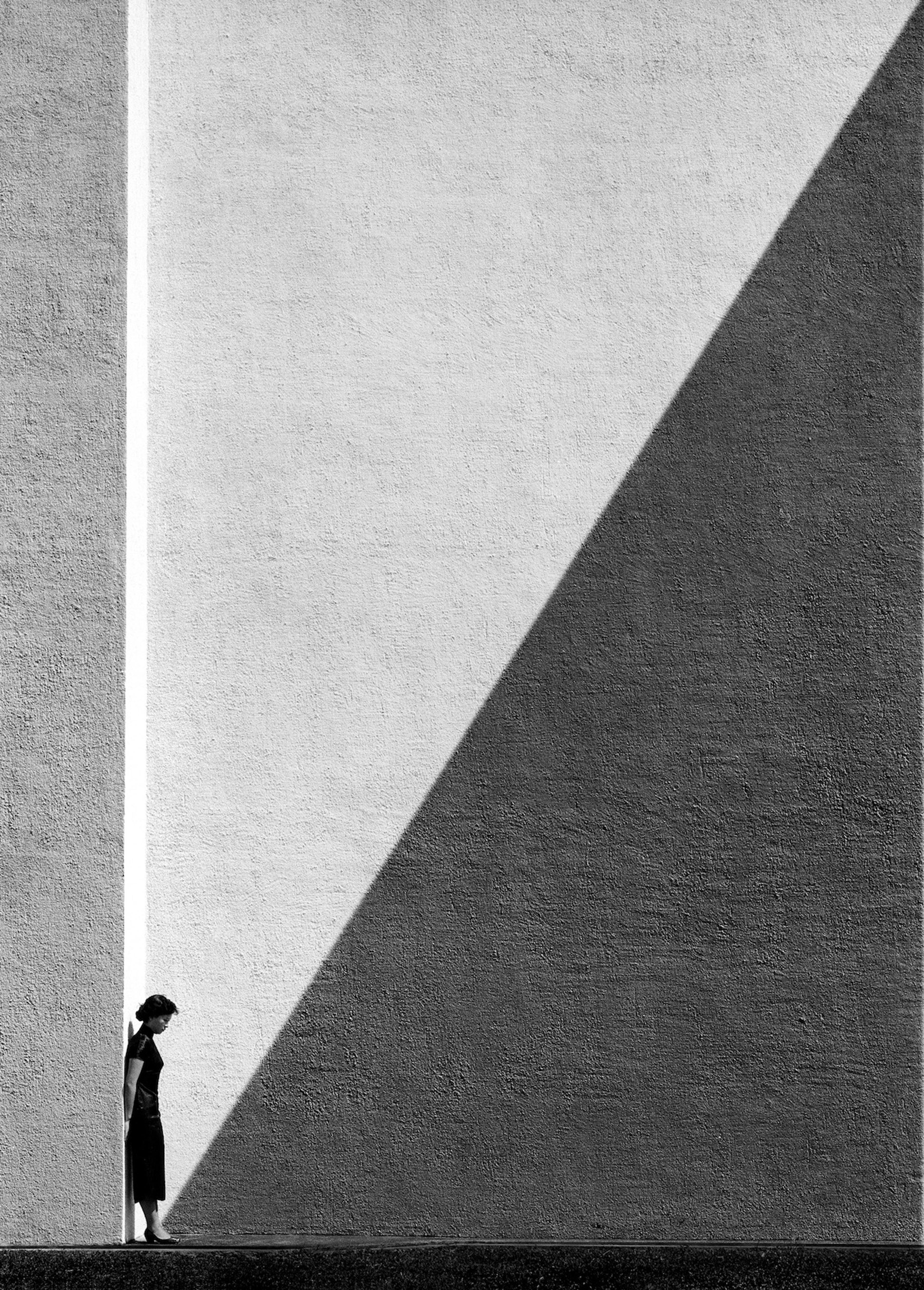
Fan Ho is widely known for his precise observation of light and urban space. Working with strong contrasts of light and shadow, smoke and geometric composition, he photographed streets, markets, street vendors and children, finding cinematic moments within Hong Kong’s rapidly changing urban landscape. His photographs reflect both an attentiveness to everyday life and the Salon tradition’s emphasis on composition, light and formal structure.
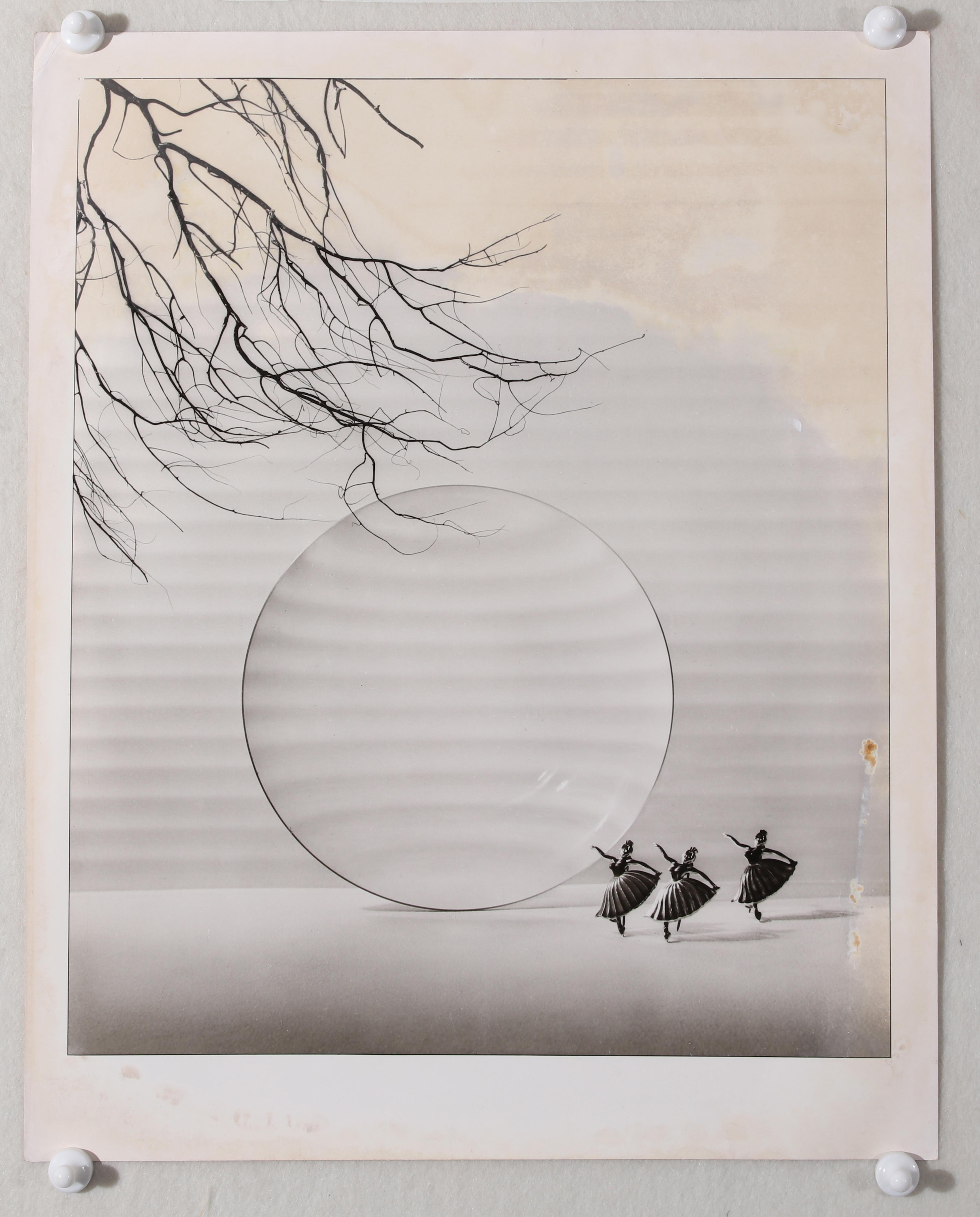
Tchan Fou-li brought elements of Chinese painting into his photographic practice. Influenced by ink painting and Song-dynasty landscape painting, he used darkroom techniques including multiple negatives to reorganise the image, creating spatial relationships that extend beyond the direct representation of a scene. As an important participant in the Chinese Photographic Society of Hong Kong and Photo Pictorial, he also helped strengthen the connection between photographic practice and publishing.
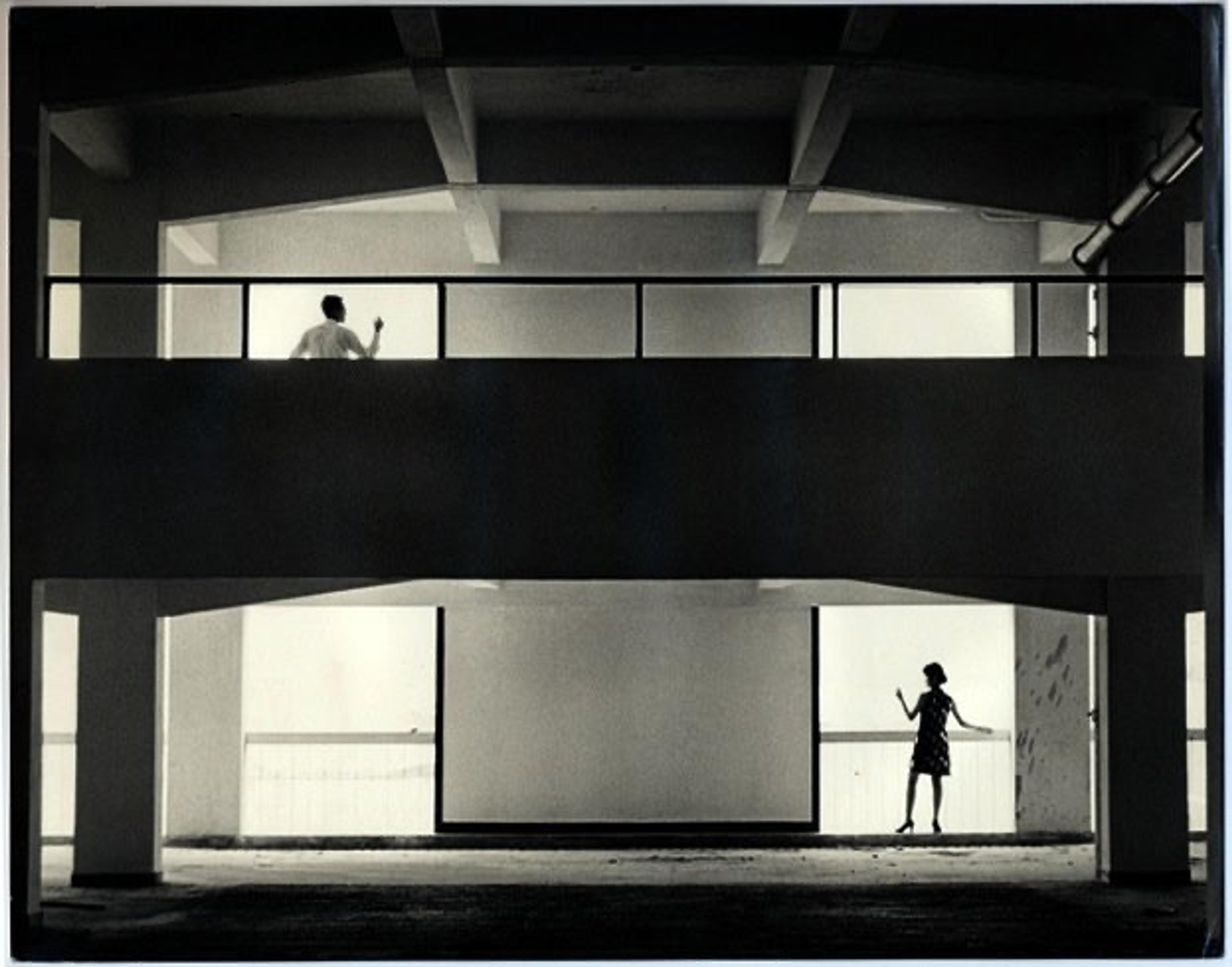
With a background in architecture, Nancy Sheung approached Hong Kong through the relationships between space, form and the human figure. She brought unconventional viewpoints to modern architecture and urban environments, using structure, perspective and composition to engage with the evolving visual language of postwar modernism.
Together, their practices reveal a defining characteristic of Hong Kong Salon photography: international photographic aesthetics, Chinese cultural traditions and local urban experience meeting within the same visual landscape.
From Landscape to Bauhaus: Traditional Ways of Seeing and the Modern City
The exhibition also considers how photographers of this generation negotiated the relationship between traditional visual culture and the experience of the modern city. Landscape, in particular, offers an important entry point into the Eastern aesthetics of Hong Kong Salon photography.
As early as the 1930s, photographer Long Chin-San used multiple exposure and darkroom techniques to combine photographic realism with the spatial principles and atmospheric qualities of Chinese ink landscape painting. This approach had a lasting influence on postwar photographers in Hong Kong.
For photographers including Tchan Fou-li and Chung Man-lork, landscape was more than a subject drawn from nature. It also provided a way to consider cultural identity and connections to tradition. Within a rapidly modernising Hong Kong, they continued to photograph landscapes, flowers, birds and urban environments, bringing traditional Chinese approaches to looking into dialogue with Western photographic language.
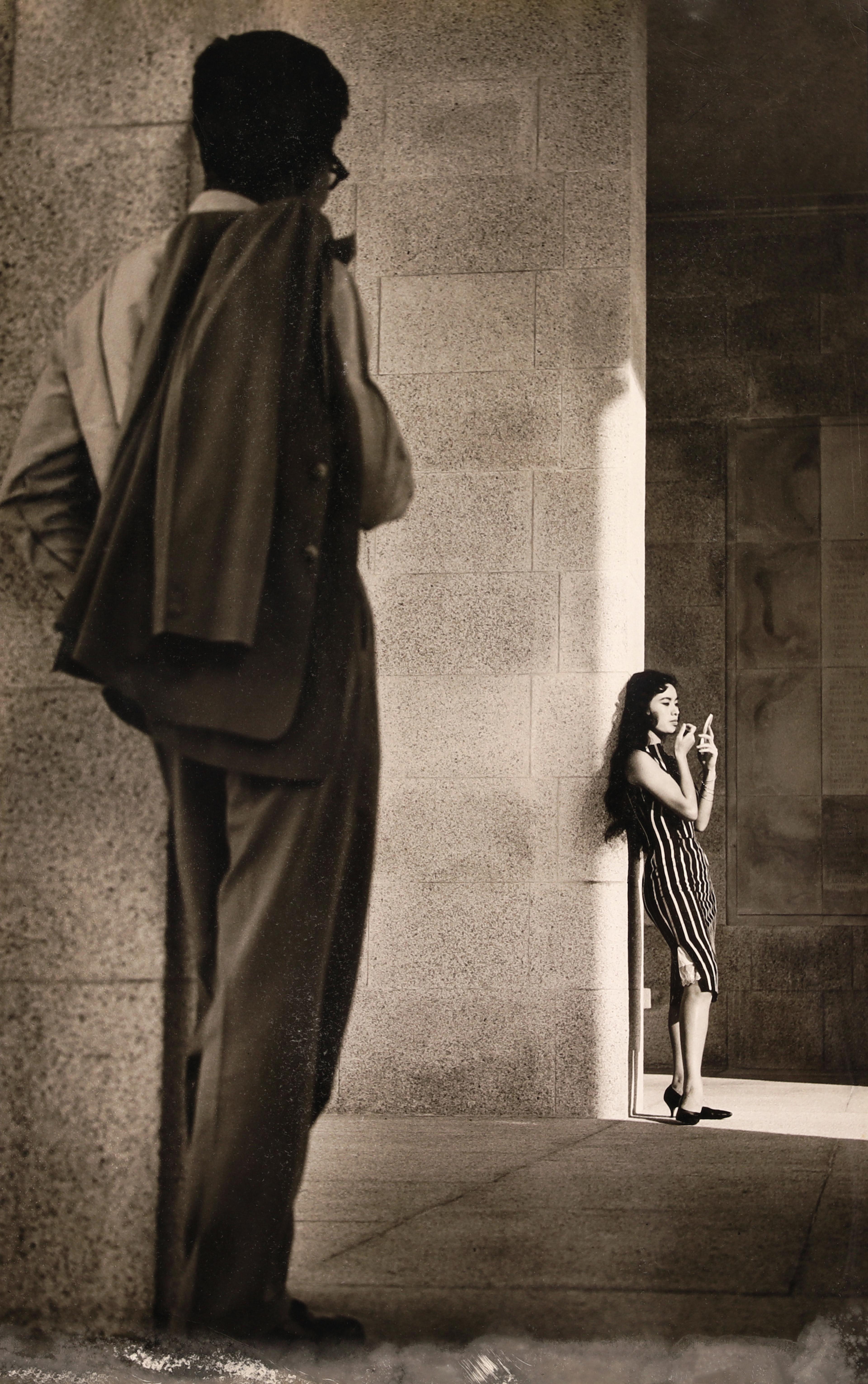
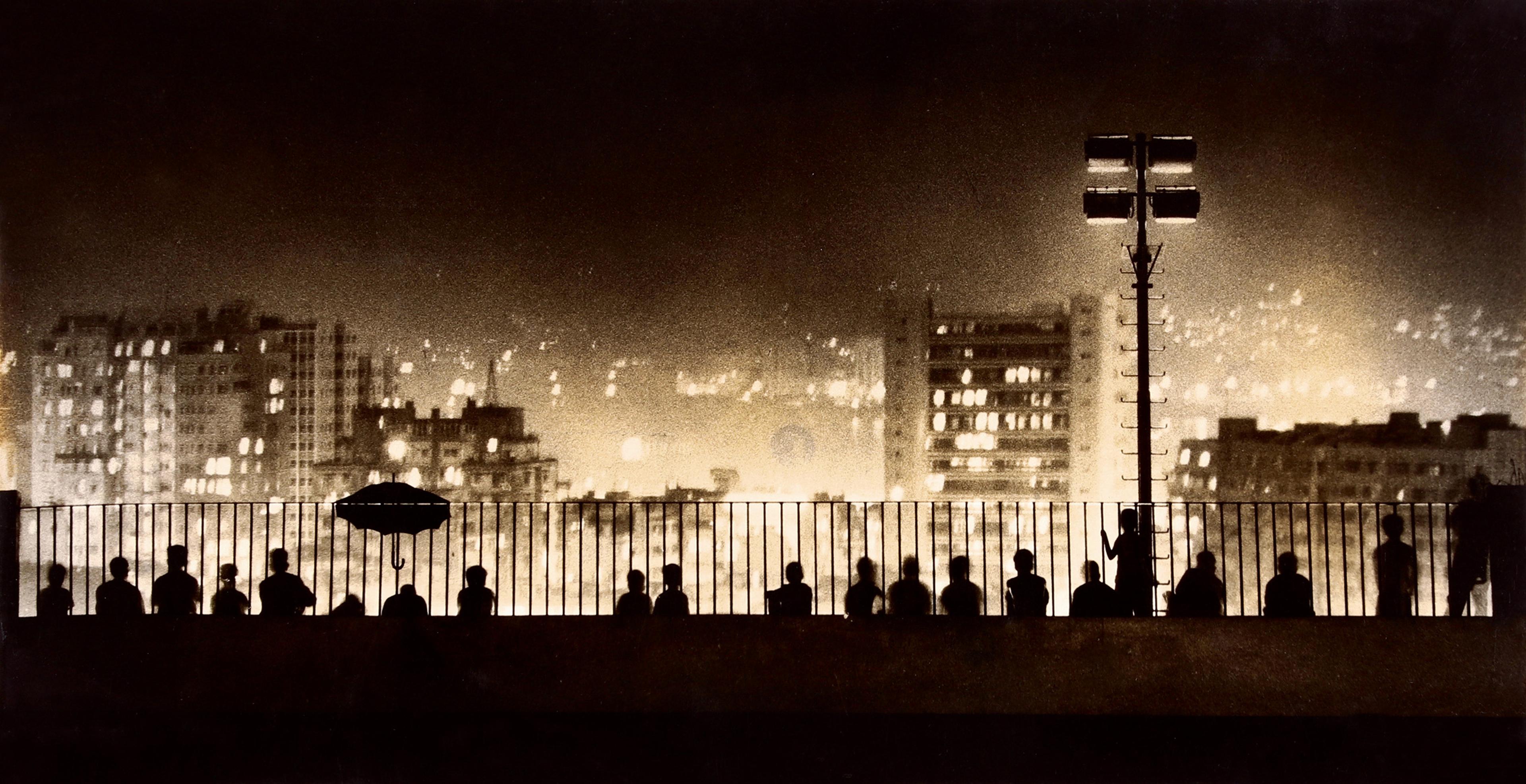
At the same time, modernism profoundly shaped the visual experience of the city. Public housing, civic infrastructure and commercial spaces in postwar Hong Kong increasingly adopted the clean, functional vocabulary associated with Bauhaus and Brutalism. Photographers began to find new forms of abstraction in architectural structures, lines, light, shadow and geometric relationships.
The photographs of Chan Kin-pong, Lee Kin-fai and Ho Chung-hei, among others, reorganise the city through elevated viewpoints, diagonals, repetition and contrasts of light and dark. Functional architectural spaces become dynamic geometric compositions.
In this context, modernity in the exhibition is not only a question of subject matter. It also concerns a change in the way photographers looked at the city: from the spatial principles of traditional landscape painting to the geometric structures of modern architecture, photography became a way of making sense of postwar Hong Kong.
From the Streets to the Page: Preserving a Photographic Era
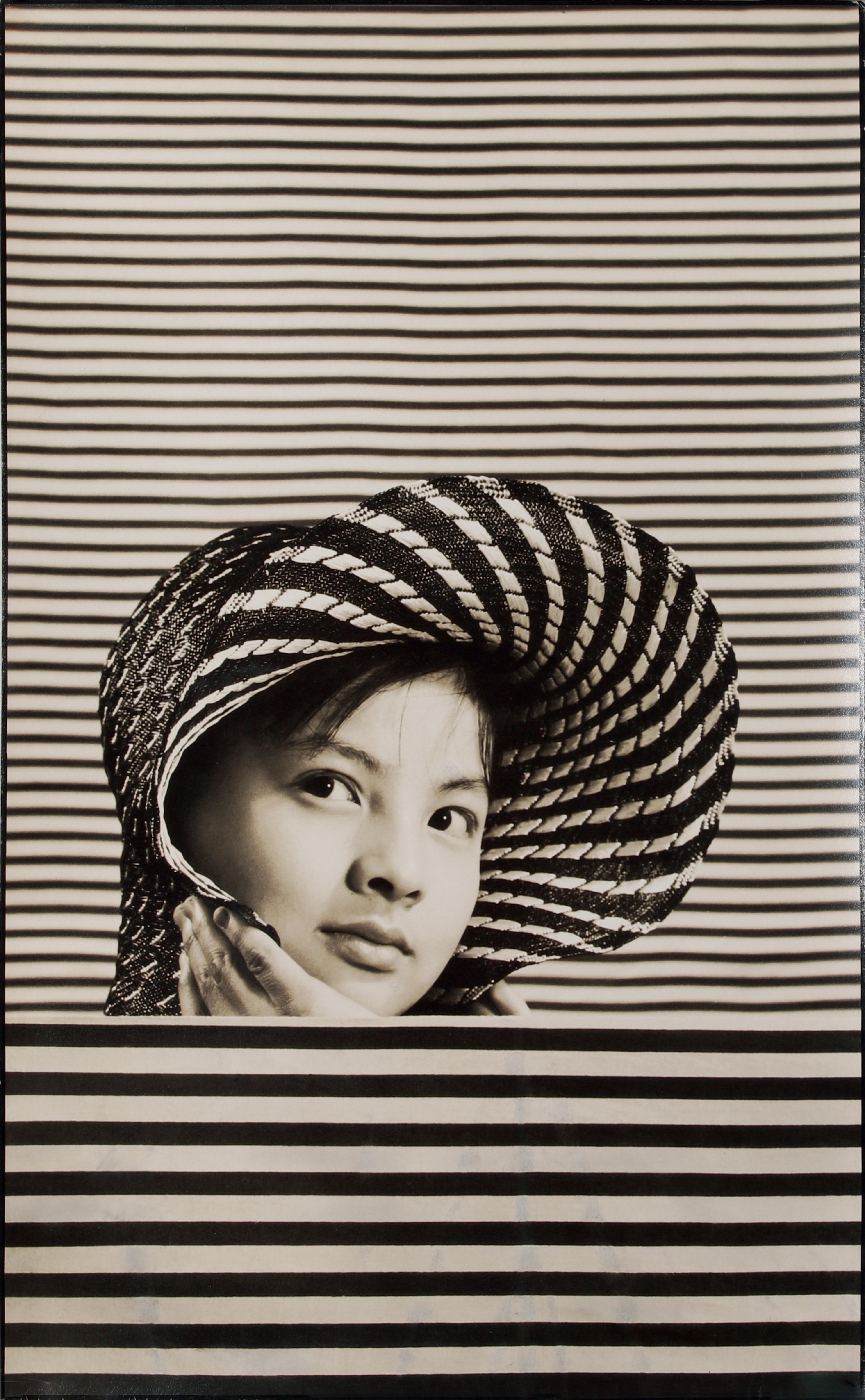
Alongside landscape and urban space, the exhibition turns to the everyday lives of ordinary people. During the 1950s, Hong Kong experienced rapid population growth and profound social change. Large numbers of migrants arrived in the city, reshaping housing, employment and everyday living conditions. At the same time, photography internationally was increasingly turning its attention to ordinary lives and human dignity.
In 1955, The Museum of Modern Art in New York presented The Family of Man, an exhibition organised by Edward Steichen that brought together photographs from around the world. The exhibition included works by 273 photographers from 68 countries and became a significant event in postwar photographic culture.
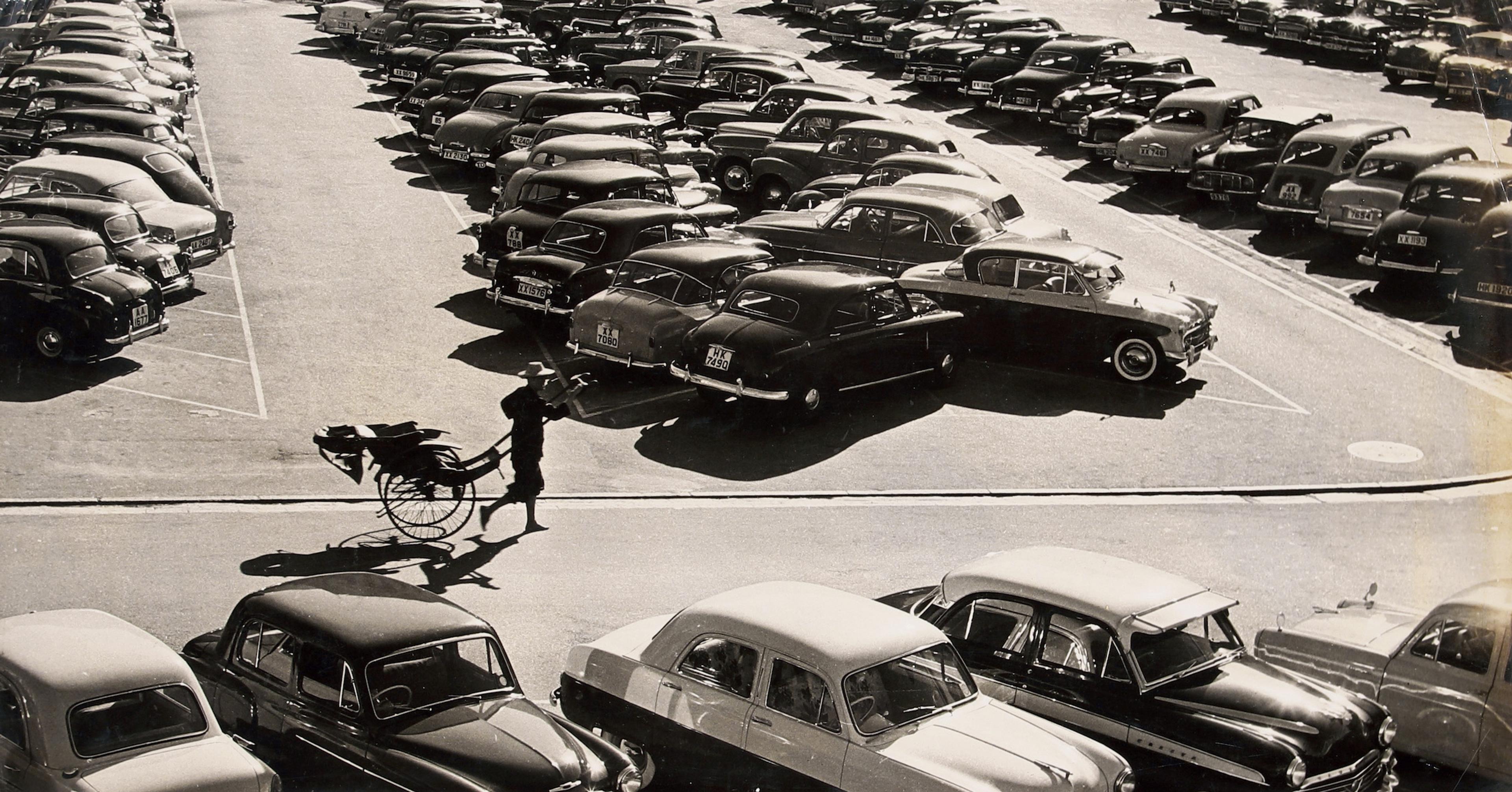
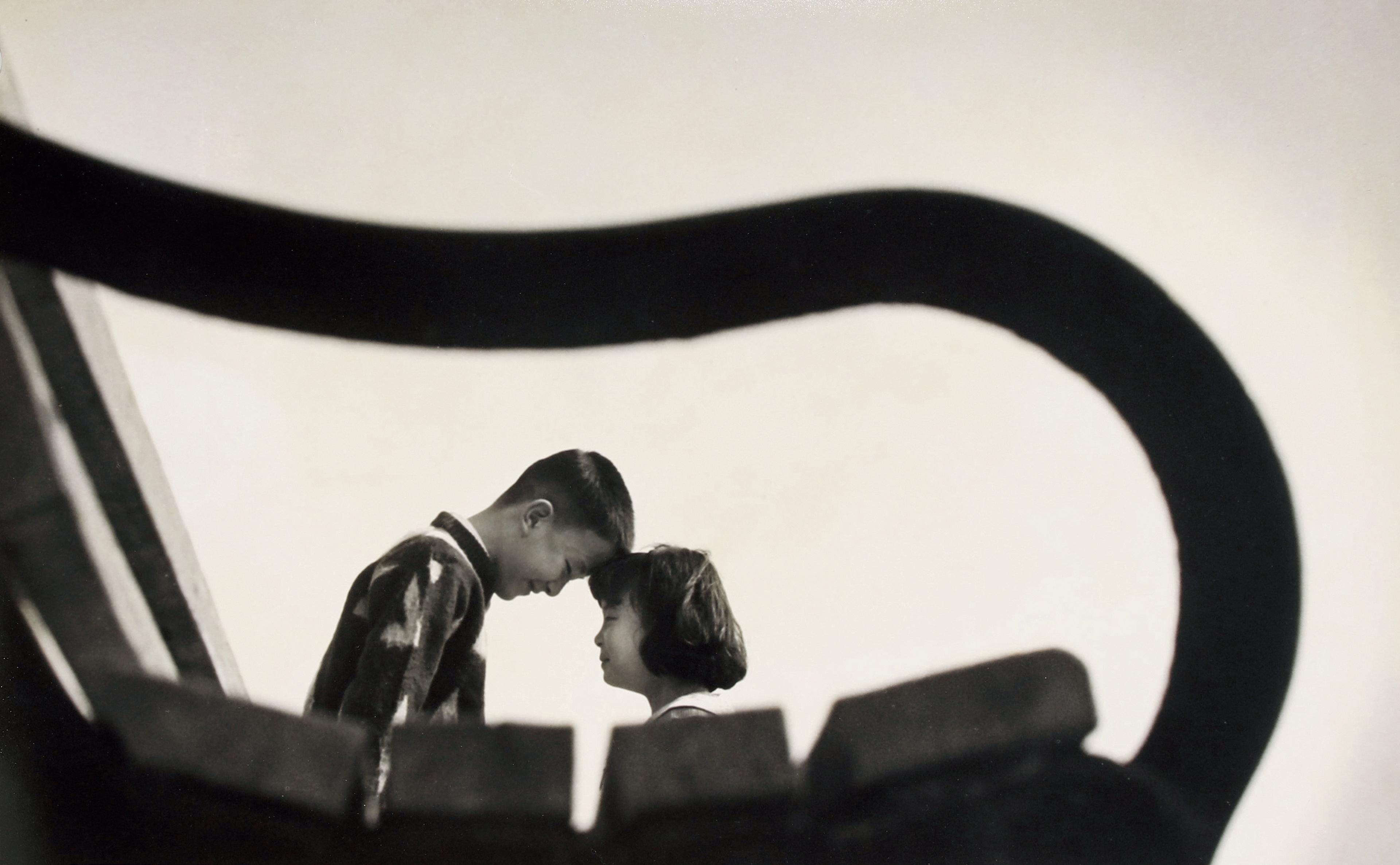
This broader context also resonated within Hong Kong’s photographic community. Photographers increasingly turned their cameras towards streets, children, workers and everyday life, bringing more specific urban experiences into the formal language of Salon photography. Works by Chan Yu-kui, Ho Chung-hei and Chung Man-lork, among others, place people and everyday life at the centre of the frame, creating a record of Hong Kong that is both intimate and attentive to human dignity.
Photography magazines, competition catalogues and Salon exhibition catalogues were equally important to the circulation of this photographic culture. Alongside the photographs, the exhibition presents 47 related historical publications, returning the works to the contexts in which they were first viewed, exhibited and circulated.
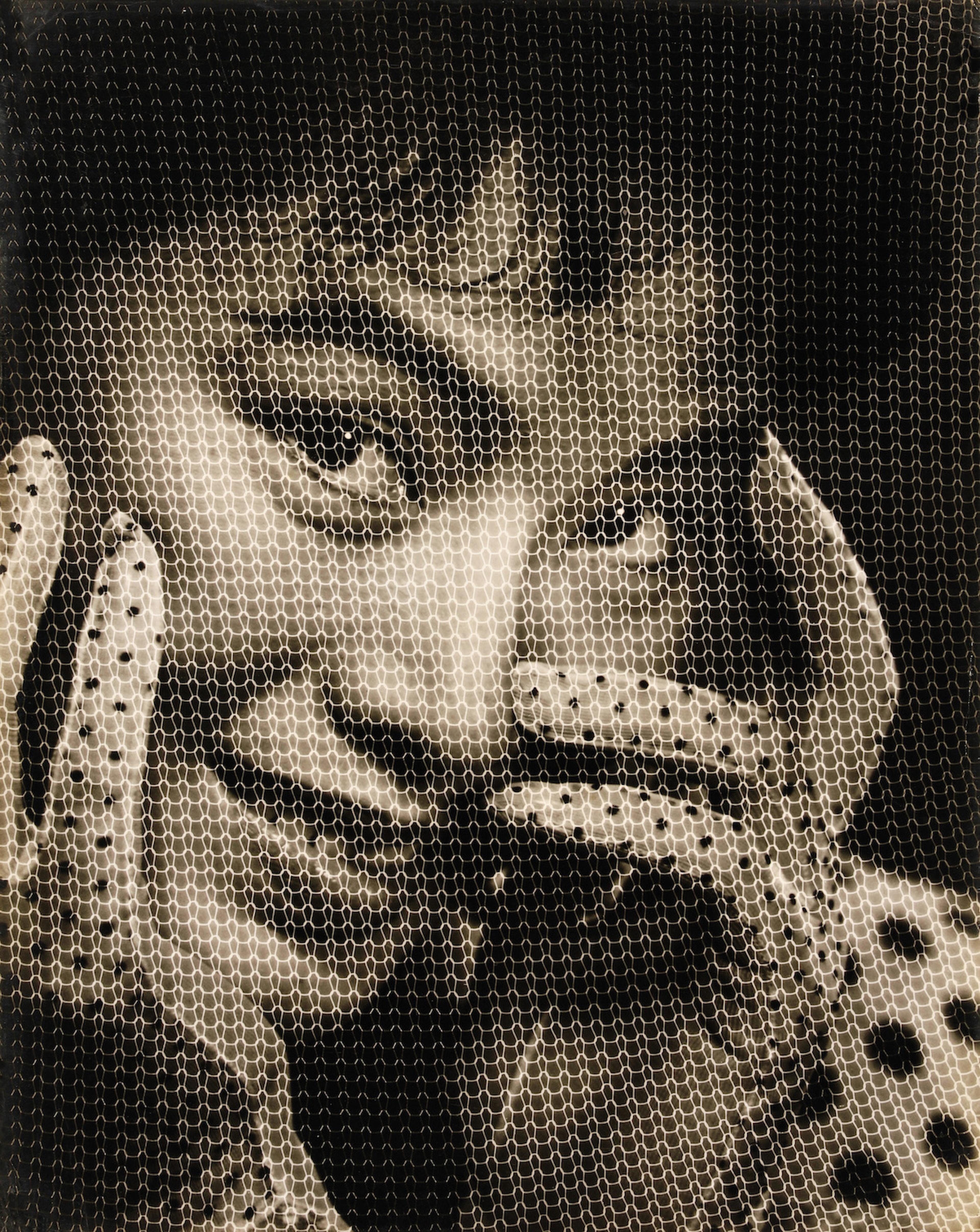
Hong Kong Reframed: Fan Ho and the Salon Generation — Photography at the Threshold of Modernity approaches this history not as a closed archive, but as a conversation across time. The word “Reframed” points not only to a renewed examination of the achievements of mid-20th-century Eastern Salon photography, but also to a broader question: how does a city construct an image of itself?
Bringing together photographs, photographic practices and the cultural networks that supported them, the exhibition traces a series of encounters within the same city: traditional landscape and modern architecture, international Salons and everyday life, abstract form and lived experience.
More than half a century later, these photographs continue to offer a way of looking at Hong Kong through a period of profound change. From 30 October 2026, Fotografiska Shanghai invites audiences to encounter this visual history and reconsider how photography can preserve a city in transition, while opening new ways of seeing the world around us.
Participating Artists
Fou-Li Tchan, Kin-pong Chan, Yu-kui Chan, Nancy Sheung, Fan Ho, Chung-hei Ho, Kin-fai Lee, Wing-tong Lee, Fung Mak, Hung Auyeung, Fook-ming Hui, Chang P.G., Pak-kan Cheung, Chew K.C., Man-lork Chung
Academic Advisor: Isabella Tam
Exhibition Advisors: Niu Jie, Sarah Greene
SPECIAL THANKS TO
Sungari
Sungari International Auction Co., Ltd. (Sungari) was founded in 1995 and is headquartered in Beijing. In 2019, it established the Sungari Art Center, together with art spaces in Shanghai and Hong Kong. It also maintains multiple offices in the mainland and overseas, with business covering global markets.
With more than three decades of experience in the auction industry, Sungari covers a full spectrum of categories, including Chinese Paintings and Calligraphy, Porcelain, Jade, Chinese Works of Art, Classical Chinese Furniture, Rare Books and Manuscripts, Modern and Contemporary Art, Photographic Art, and Stamps and Coins.
The company has facilitated the repatriation of numerous national treasure-level cultural relics to China and has repeatedly set new auction records. It consistently ranks among the top three auction houses in the industry in terms of overall strength.
Blue Lotus Gallery
Founded in Hong Kong in 2007 by Sarah Van Ingelgom (Greene), Blue Lotus Gallery is dedicated to contemporary photography and the visual culture of Hong Kong and Asia. Through exhibitions, fine prints, and photobook publishing, the gallery champions artists across generations while contributing to the appreciation of photography as both an artistic and historical medium. For the past 15 years, Blue Lotus Gallery has maintained a close relationship with the Fan Ho Estate, helping to preserve and expand the international legacy of this iconic photographer.
The company has facilitated the repatriation of numerous national treasure-level cultural relics to China and has repeatedly set new auction records. It consistently ranks among the top three auction houses in the industry in terms of overall strength.
The Nancy Sheung Trust
The Nancy Sheung Trust was established in 2024 to preserve, promote and share the legacy of Nancy Sheung, a pioneering Chinese female photographer whose work offers a distinctive perspective on the lives and experiences of Chinese communities. Established by the family of the artist, The Trust is dedicated to safeguarding her photographs, archives and related materials, deepening public understanding of her artistic contribution, and making her work accessible to audiences, researchers and future generations. Through its work, the Trust seeks to ensure that Nancy Sheung’s remarkable legacy receives the recognition and appreciation it deserves.
Nippon Paint China
The wall coatings for this exhibition were provided by Nippon Paint China. Since entering the Chinese market in 1992, Nippon Paint China has been committed to its corporate mission of "Refreshing wonderful living space." Through continuous exploration and innovation, the company has developed a wide range of colors, products, and services tailored to the needs of the Chinese market and consumers, helping to bring the public’s vision of a better life to life.