Michael Najjar
Morphing Equilibrium
"We are not bystanders to change; we are immersed within it." — Michael Najjar
ABOUT THE EXHIBITION
The internationally renowned artist, explorer, and future astronaut Michael Najjar's major solo exhibition Morphing Equilibrium, is on view at Fotografiska Shanghai from 16 January to 17 May 2026. The exhibition is a site-specific creation by Najjar for Shanghai, employing his signature monumental visuals and forward-looking perspective to invite audiences to examine our profoundly changing planet and its future.
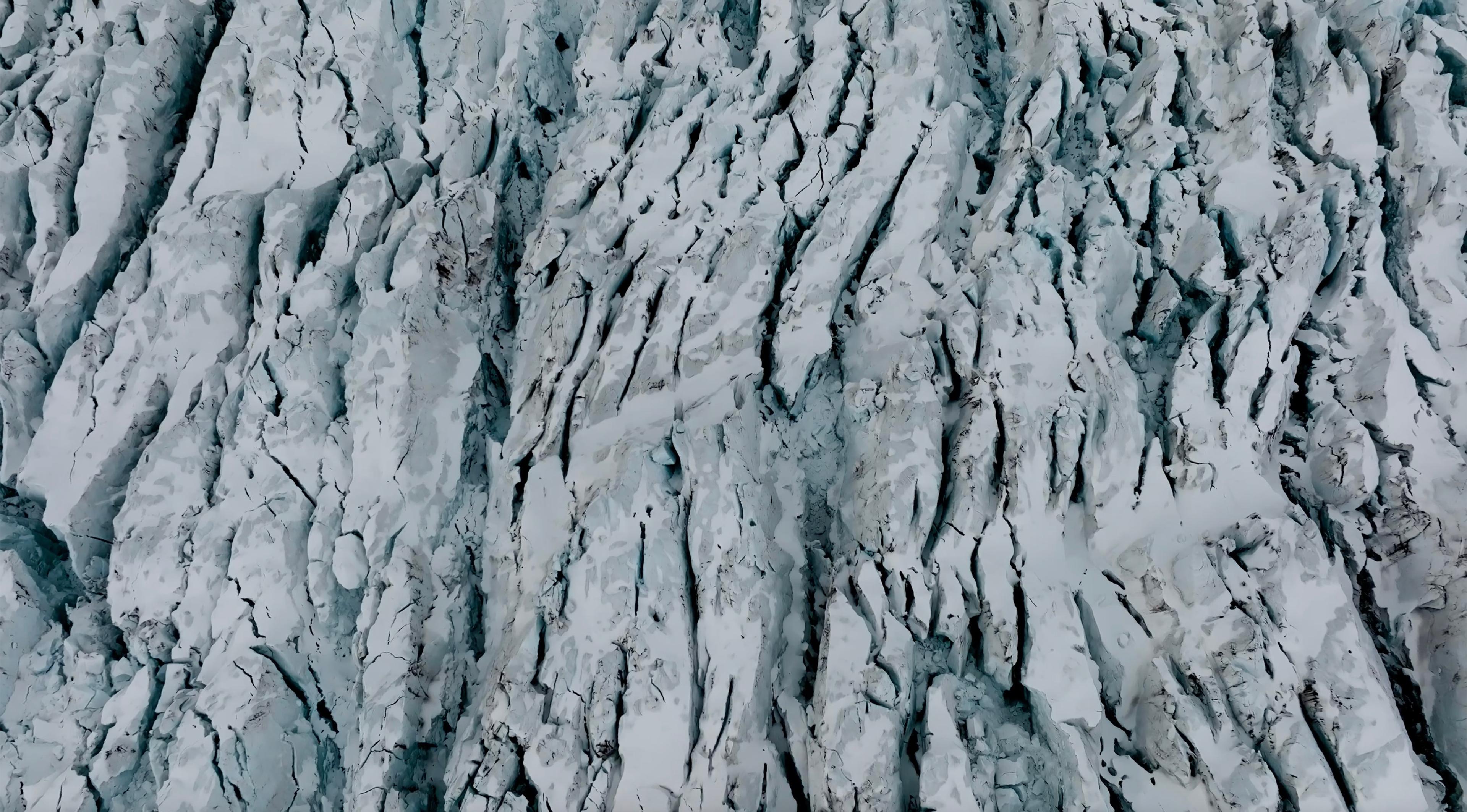
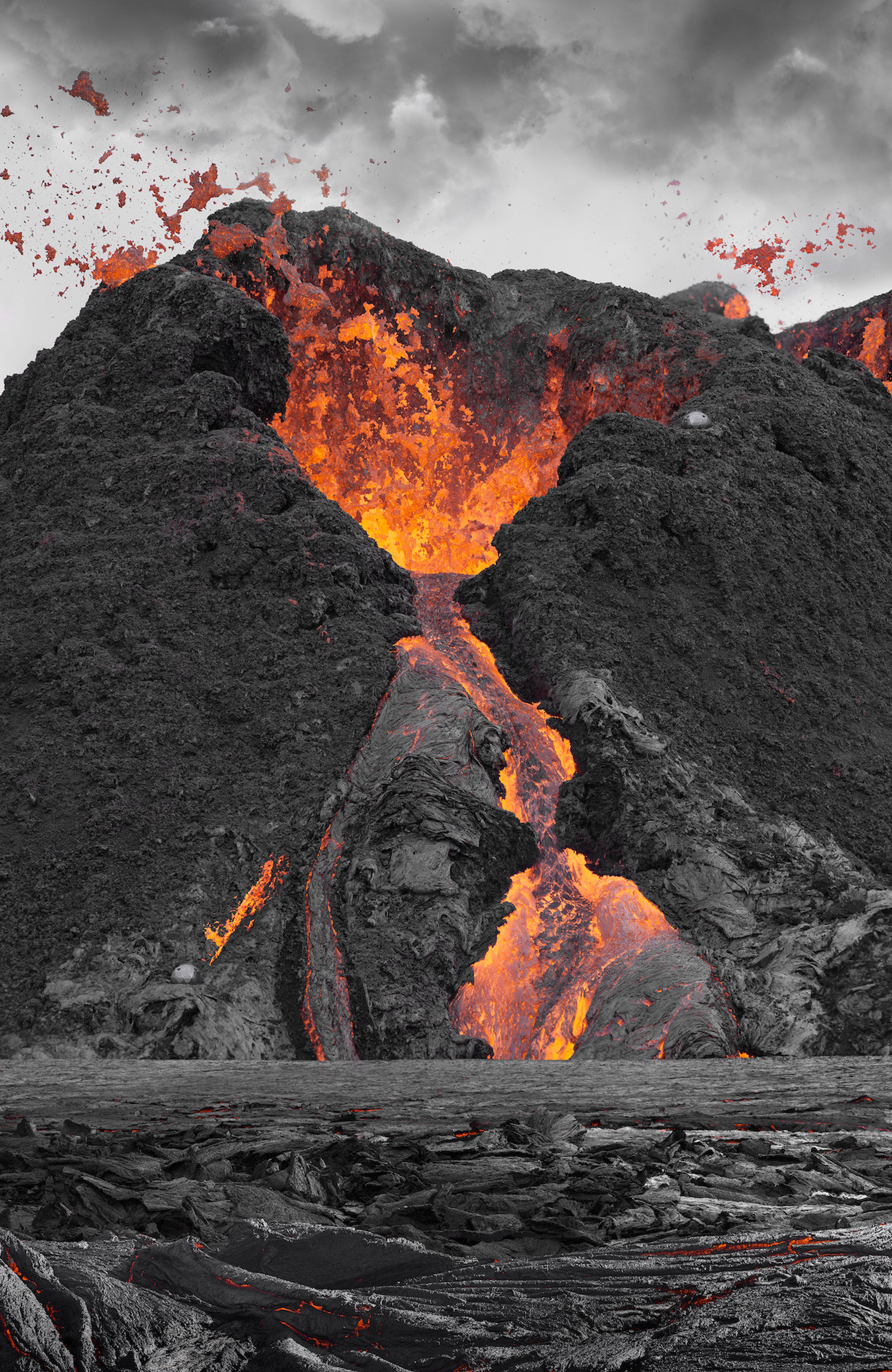
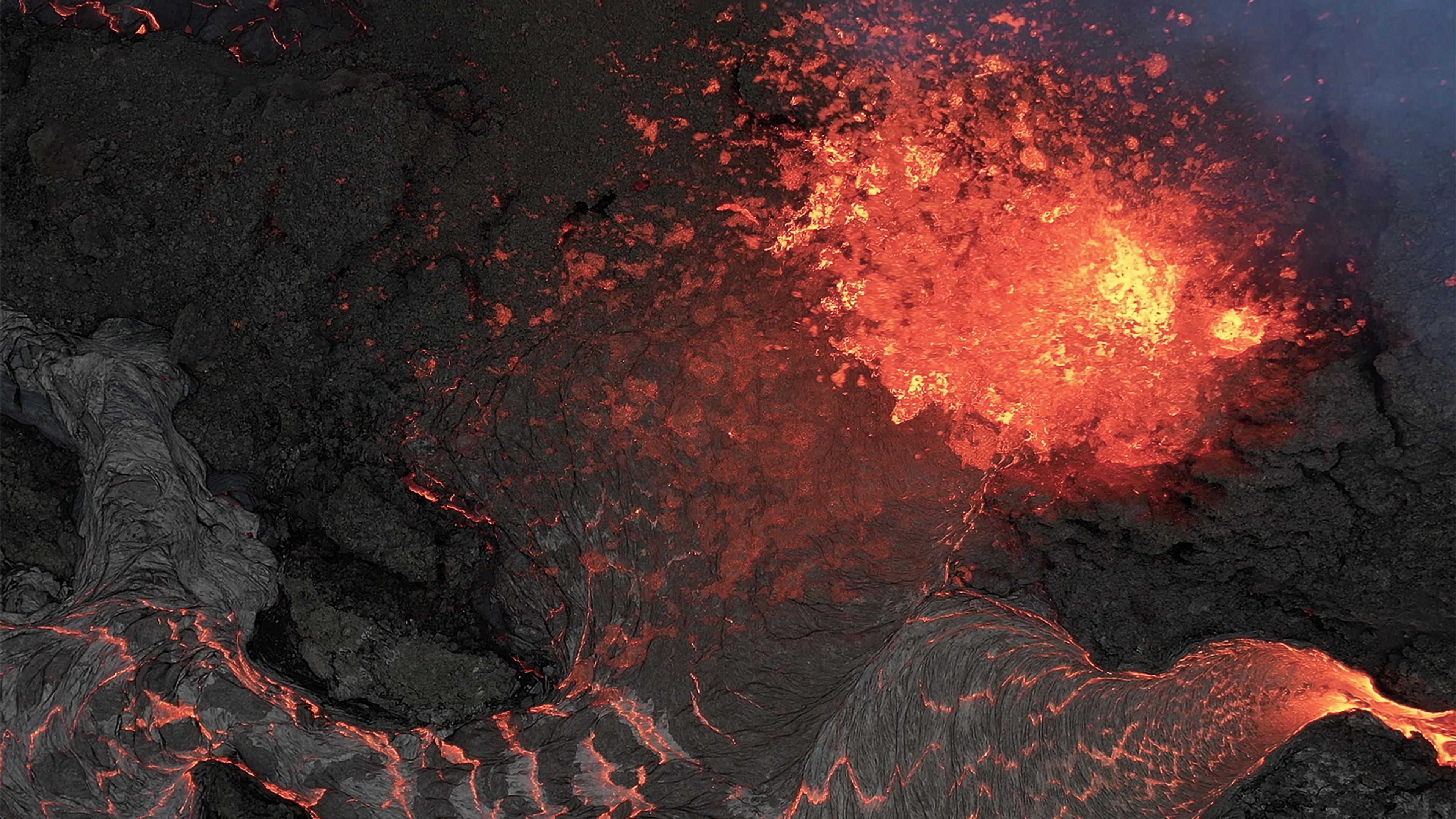
Najjar's practice consistently navigates the intersection of art, technology, and exploration. He is not merely an observer behind the lens but an active participant who immerses himself in Earth's most extreme environments — from dormant volcanoes to Arctic glaciers, from skyscraper summits to astronaut training centers. The core video works featured in this exhibition, liquid landscape and arctic dystopia, are the direct results of his field work in Iceland's volcanic regions and the High Arctic. Within these frames, the flow of lava and the rupture of ice transcend mere natural spectacle, becoming powerful visual metaphors for understanding the current state of "dynamic imbalance" in our world.
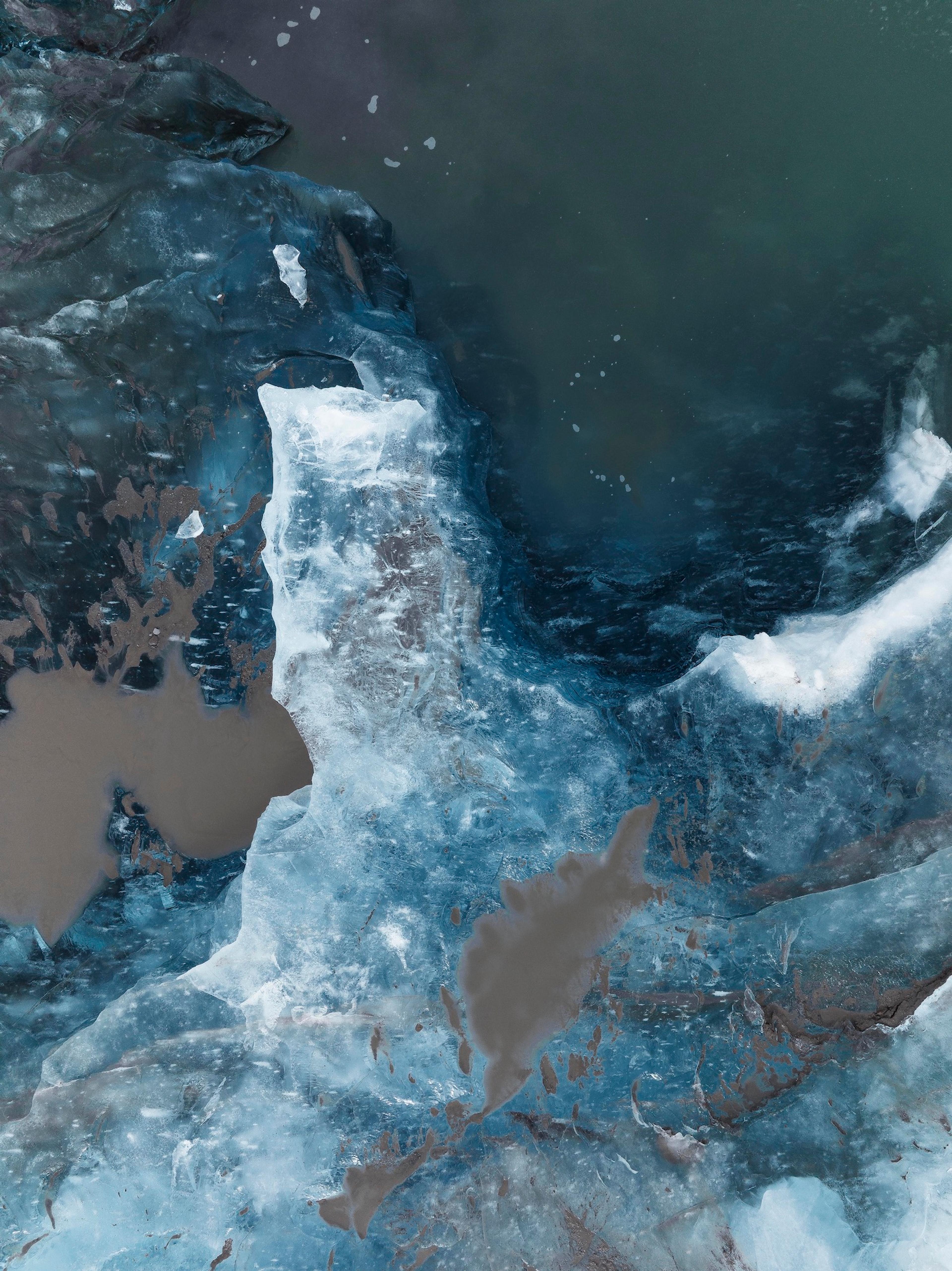
The exhibition's title, Morphing Equilibrium, is drawn from ecological theory, referring to a system's relative stability amidst constant change. Najjar adopts this concept to probe how humanity might confront an increasingly "liquefied" global order in the 21st century — an era defined by climate change, technological acceleration, and geopolitical shifts. His imagery, reconstructed through cutting-edge filming and digital techniques, creates a kind of "post-natural" landscape that evokes awe at Earth's primordial vitality while unflinchingly acknowledging its fragility.
In addition to these key works, the exhibition premieres new video segments created specifically for its Shanghai presentation. Through his continuous global journeys and interdisciplinary collaborations, Najjar weaves his long-standing reflections on future cities, space exploration, and biotechnology into an evolving visual narrative.
This exhibition is thus more than a visual experience; it is an invitation to reflection — asking viewers, while immersed in the beauty of our planet, to contemplate their own role in shaping our shared future.
ABOUT THE ARTIST
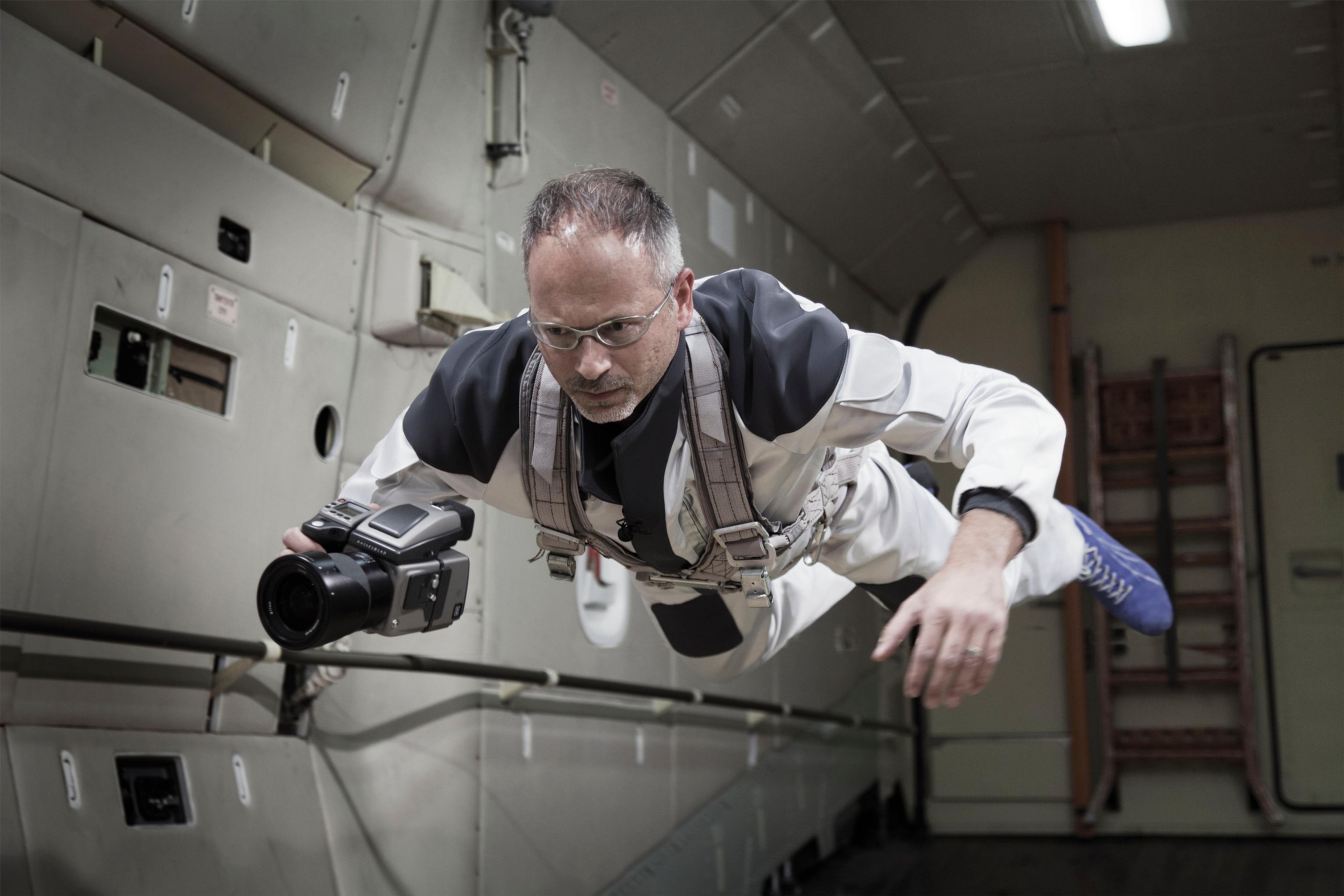
Michael Najjar, (b.1966, Germany) is an internationally renowned artist, explorer, and future astronaut. His multidisciplinary work spans photography, video, digital imaging, sculpture, and writing. He is known for working closely at the intersection of art, science, and technology, engaging in complex and critical ways with the rapid technological developments that are shaping and radically transforming the early 21st century.
As recent innovations increasingly and profoundly influence various dimensions of our lives—often with ambivalent consequences—Najjar’s work explores and visualizes potential future social structures shaped by these advancements. His art not only interrogates the impact of cutting-edge technologies but also reflects on the possibilities of a world undergoing profound transformation.
In 1993, Najjar graduated from the Berlin Bildo Academy of New Media Arts, an experimental private art college founded in 1987. The institution placed a strong emphasis on photography, video, and computer technology as forms of artistic expression. The philosophical framework was influenced by revolutionary and visionary thinkers such as Vilém Flusser, Jean Baudrillard, and Paul Virilio.
In a career spanning almost three decades, Najjar has expanded the boundaries of the medium of photography, exploring the potential of the technical image by subjecting it to a constant reconstruction of time and space, and placing the relationship between reality and simulation at the center of his image constructions. His large-format photographic works and immersive videos are generated from a highly complex digital collage of various image and data sources, and unfold their visionary power through both their captivating aesthetics and conceptual profoundness. Najjar creates pictures—some of which have attained iconic status—that think beyond what the eye can see. His comprehensive oeuvre blurs the line between temporalities and spacialities, combining historical references, current technological developments and futuristic projections to create new, ambiguous realities.
Najjar’s works are grouped in thematic series that explore topics such as the transformation of global megacities through increasingly dense information networks, the alteration of the human body via biogenetic interventions, the virtualization of financial markets driven by intelligent algorithms, the impact of the latest space technologies on our future in space, and our planetary future amid climate change and geoengineering. Najjar’s multidimensional practice often involves cross-disciplinary collaborations with scientists, researchers, and engineers.
The performative aspect has become a fundamental part of Najjar’s artistic process. For decades, he has embarked on journeys and expeditions across the globe, with many of his projects originating from fieldwork in remote, liminal, and often difficult-to-access locations. He has climbed seven-thousand-meter peaks, scaled skyscrapers, trekked active volcanoes, crossed glaciers, descended into ice caves, traversed deserts, and undergone intensive astronaut training—with the aim of becoming the first artist to travel into space. To create his images, Najjar exposes his body to extreme conditions, pushing his mental and physical limits within challenging natural or technological environments.
Over the past 30 years, Najjar‘s work has been featured worldwide in numerous solo and group exhibitions at prestigious institutions, including Academy of Arts, Berlin; Museum Ludwig, Cologne; Hamburger Kunsthalle – Gallery of Contemporary Art, Hamburg; Deichtorhallen, Hamburg; ZKM | Center for Art and Media, Karlsruhe; Marta Museum, Herford; Edith-Russ-Haus for Media Art, Oldenburg; Kunsthalle München, Munich; Ars Electronica Center, Linz; Kunstmuseum Wolfsburg; Saatchi Gallery, London; Science Museum, London; Centre pour l'image contemporaine, Geneva; Joan Miró Foundation, Barcelona; Fundación La Caixa, Madrid, Barcelona, Sevilla; Centro de Arte Contemporaneo, Málaga; Museo Es Baluard, Palma de Mallorca; Museo DA2 Domus Artium 2002, Salamanca; Fotografiska, Stockholm, Tallinn, Shanghai; Museum of Contemporary Art, Belgrade; Tampere Art Museum; New Media Art Institute, Amsterdam; GEM Museum of Contemporary Art, The Hague; FORMA International Centre for Photography, Milan; Tuscon Museum of Art, Tucson; Ballroom Marfa; Smithsonian National Air and Space Museum, Washington; Auckland Art Gallery Toi o Tamaki, Auckland; National Gallery of Victoria, Melbourne; National Museum of Science, Taipei; Jut Art Museum, Taipei; Central Academy of Fine Arts, Beijing; Ullens Center for Contemporary Art, Beijing; ZheJiang Art Museum, Hangzhou; Sifang Art Museum, Nanjing; ArtScience Museum, Singapore; National Museum of Modern and Contemporary Art, Seoul; 9th Havana Biennale; 7th International Moscow Biennale; 10th Venice Architecture Biennale.
Najjar’s works are held in museum, corporate, and private collections around the world. Numerous international publications have been dedicated to his work.